Why Is My Recycled Handmade Paper Grey or Dingy?
Quick answer
Change what goes in the vat. Mills need a separate deinking stage to get ink out of recycled fibre, and a blender has no such step. Make one batch from plain, unprinted paper, such as photocopy offcuts or drawing paper, and compare the dry sheet. If it comes out clean, the printed scrap was the cause.
Is this your problem?
Symptom: Recycled sheets dry grey, dingy, or speckled
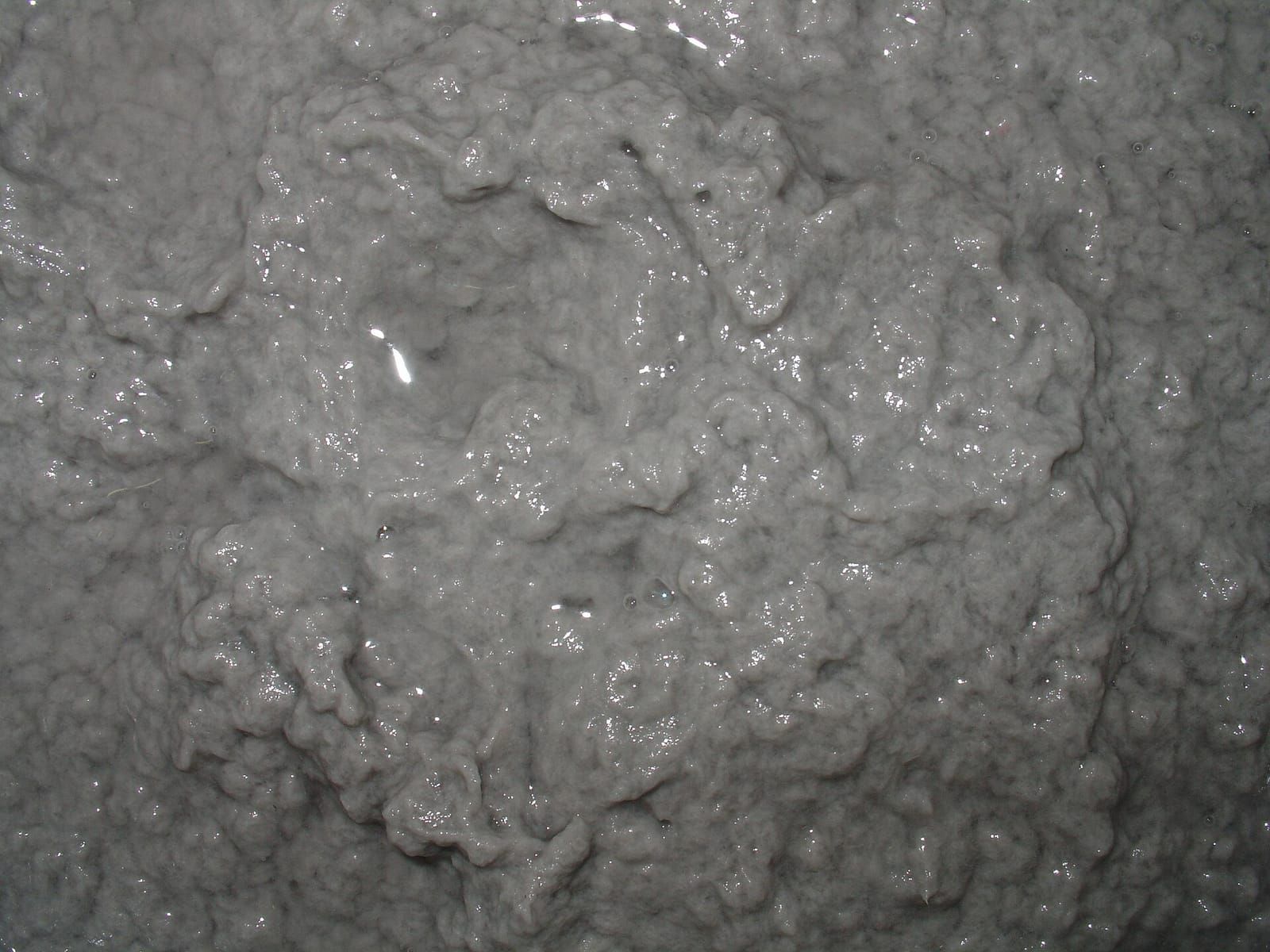
Your recycled sheet dried dull and flat in tone, or it is peppered with small dark specks. It may look fine in the vat and disappoint once it dries.
Printed paper is the usual suspect. Paper mills use a separate deinking process to detach ink from the fibre and carry it away, and better ink removal lowers the dirt count and raises the brightness of the pulp. A home vat has no such step.
Separate it from two look-alikes.
- If the color is fine but the sheet looks patchy against the light, that is formation.
- If the sheet looks fine and crumbles when you handle it, the problem is weak fibre. Newspaper can cause both: Nash avoids its greasy ink, and Tasillo calls its fibre short and acidic.
If you like a muted sheet, none of this needs fixing. The checks below matter only if you wanted something cleaner.

Similar symptoms
Ranked causes
| Cause | Tell-tale sign | Quick check | Fix |
|---|---|---|---|
| Printing ink from the scrap | The whole sheet looks dull, often with dark specks | Make one batch from unprinted paper and compare | Use unprinted or lightly printed scrap |
| Newsprint or coated stock in the mix | Newspaper, magazines, or glossy paper went in, and the sheet is dull and weak | Sort the scrap and make a batch without those papers | Keep newsprint and glossy paper out of the vat |
| Colored scraps blended together | Scraps of several colors went into one batch | Make a small batch from one color family only | Sort scraps into color families before you soak them |
| Stains from felts or leftover pulp | The color changes between batches, or marks line up with a felt | Couch one sheet onto clean, undyed cloth and compare | Rinse the gear, and keep a separate set of felts for colored pulp |
Diagnose in order
Change one thing per batch. Keep the blend time and vat ratio constant, and dry the test sheets side by side.
- Write down the scrap. Note every kind of paper that went into the batch.
- Make a clean control. Blend a small batch of unprinted paper and pull a sheet. This shows what your water and your gear do by themselves.
- Add one source at a time. Make small batches from each kind of scrap and label them.
- Sort by color. If the sheet is muddy rather than speckled, try a batch from one color only.
- Check the specks. Look at a wet sheet. Specks that are already there came from the pulp. Spots that show up later may be mould growth.
- Check your gear. Couch a sheet on a clean, undyed cloth and see if the marks disappear.
Fixes, step by step
Choose lighter scrap
Mary Tasillo writes that the quality of the finished paper depends largely on the paper going into the blender. Catherine Nash advises saving photocopy paper only, for best results, because glossy stock and newspaper carry greasy ink.
May Babcock recommends drawing, printmaking, and watercolor papers, because they are generally made from stronger fibres. Tear off printed margins if you can.
Keep newspaper and glossy stock out
Tasillo calls the paper she made from newspaper the saddest she has made, because of its short, acidic wood fibre. Coated paper for magazines carries a coating of china clay or chalk. Make: notes that magazine pages and glossy papers chop up more irregularly, giving a more "artistic" look. That can be interesting, but it won't be clean.
Remove what does not belong
Pick out tape, staples, plastic windows, stickers, and labels before you soak the paper. Babcock's rule is no plastic. In mills, adhesives from tape and labels form stickies, soft rubbery particles that are hard to remove and contaminate the recycled paper.
Add better paper
Tasillo notes that recycling better paper, such as 100% cotton rag papers or scraps of high-quality handmade paper, dramatically improves the finished sheet. Mixing some into a batch of printed scrap also means less ink in each sheet.
Sort the colors
Nash divides her scrap into color families before she tears it up. If you want a particular color, Make: suggests dyeing the pulp.
Keep separate gear for dyed pulp
Felts stain easily from dyes and pigments. Tom Bannister suggests keeping a second set for colored pulp. Rinse the vat and mould after each session so yesterday's dye and pulp do not end up in today's sheet.
Prevent it next batch
- Keep separate bins for unprinted, lightly printed, and heavily printed scrap.
- Label test sheets with their source paper.
- Set aside a stack of clean offcuts for the batches where color matters.
- Note the scrap mix in your batch log.
When it's not fixable
A sheet that has dried dingy will stay that way. You cannot rinse the ink out of a finished sheet, so re-pulp it with lighter scrap if the color matters.
Deinking and bleaching are industrial processes that use chemicals, and home versions are not covered on this site. If you need a truly bright white sheet, start with clean cotton linters or unprinted rag, not recycled printed paper.
FAQ
Why does recycled pulp turn grey?
Printing ink stays with recycled fibre unless something takes it out. Mills use a separate deinking stage that detaches ink from the fibres by mechanical and chemical means and then removes it, often by froth flotation. Removing ink lowers the dirt count and raises the brightness of the pulp. A kitchen blender and a vat have no such stage.
Which scrap papers should stay out of the vat?
Catherine Nash leaves out glossy stock and newspaper because of their greasy ink, and Mary Tasillo calls newspaper pulp short, acidic wood fibre. May Babcock's rule is no plastic. Good choices are drawing, printmaking, and watercolor papers, which Babcock notes are generally made from stronger fibres, or plain photocopy paper, which Nash uses for best results.
Does a longer blend make recycled paper greyer?
None of our sources measures that. Make: notes that a longer blend gives a smoother, more regular sheet, and mills detach ink with mechanical action combined with chemistry. What the sources agree on is the source paper: Tasillo writes that the quality of the finished paper depends largely on the paper going into the blender.
Why do printed pages leave specks?
Ink comes off the fibres as particles. Mills remove them by flotation, which works best on particles larger than about 10 micrometers, and by washing for smaller ones, and removing ink is what lowers the dirt count in recycled pulp. A vat has neither step, so the particles stay in the pulp. Specks that are already visible on the wet sheet came from the pulp.
Related problems
Next stage: Why Is My Handmade Paper Lumpy or Cloudy?
Sources and further reading
- Selecting Source Fibers, by Mary Tasillo (Hand Papermaking Newsletter #97)
- Here's How to Make Handmade Paper from Recycled Materials, by May Babcock (Paperslurry)
- Getting Started: The Simplest Way to Make Your First Sheet of Handmade Paper, by Catherine Nash
- Paper Making 101, by Francois Vigneault (Make:)
- Deinking (Wikipedia)
- Coated paper (Wikipedia)
- Felts, by Tom Bannister (Hand Papermaking Newsletter #45)